Skilled Techniques for Upkeeping Your Fish Filleting Knife
Maintaining a fish fillet knife is vital for both safety and performance. Consistent honing, proper washing, and correct keeping are necessary practices. A properly maintained knife not only enhances the filleting process but also prolongs the tool's lifespan. Understanding the details of these maintenance techniques can greatly impact results. However, many overlook common pitfalls that can cause deterioration. What are the key strategies to guarantee ideal care?
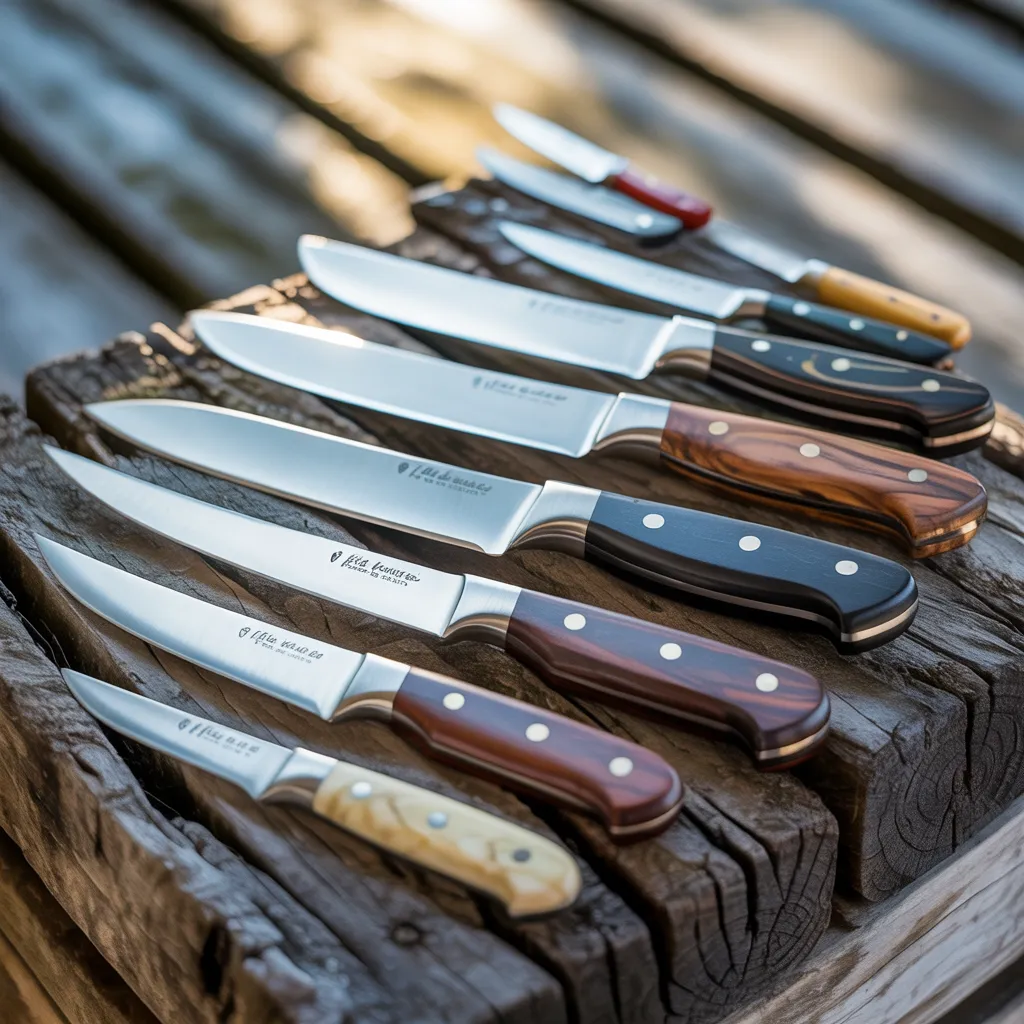
A Resource to Selecting the Most Suitable Fillet Knife for What You Need
How does one identify the ideal filleting knife? The procedure commences by considering the knife's blade length, typically spanning from 6 to 9 inches. A longer blade allows for even, long cuts, while a compact blade provides greater control, particularly for smaller fish. The blade's pliability is another critical factor; a more bendable blade performs in intricate filleting, while a rigid blade provides stability for larger fish.
Components also play a significant role. High-carbon stainless steel is often preferred for its durability and edge retention. The handle should offer a comfortable grip, as this boosts control and decreases user fatigue.
Weight is another consideration. A well-equilibrated knife makes fish filleting less difficult and more accurate. Finally, personal preference cannot be dismissed; trying different knives can help identify the one that feels most comfortable, ensuring efficiency and comfort in the filleting process.
Why a Sharp Filleting Knife Is Critical for Fish Work
A keen filleting knife greatly enhances the fish preparation process, permitting tidy, exact incisions that preserve the caliber of the meat. When filleting fish, a dull knife can rip the flesh, resulting in irregular slices and waste of valuable meat. This can negatively impact both the visual appeal and palate of the final dish. Moreover, employing a sharp knife minimizes the work explore this needed during filleting, making the process more productive and satisfying.
A properly maintained, keen filleting knife also increases security in the kitchen. Dull blades demand more pressure, raising the risk of accidents and slips. By ensuring a sharp edge, the cook can have greater control over the knife, resulting in safer handling.
Procedures for Cleansing Your Fish Fillet Knife Once Used
Cleaning a fillet knife right away after use is important for preserving its longevity and performance. The first step requires rinsing the knife under warm water to get rid of any fish residue. This should be done right away to prevent the proteins and oils from solidifying on the blade. Then, a mild dish soap can be applied with a soft sponge or cloth to carefully scrub the surface, making sure all contaminants are removed.
It is significant to bypass abrasive materials that could scratch the blade. After sanitizing, the knife should be rinsed thoroughly and swiftly dried with a gentle towel to protect against rust and corrosion. For those with quality blades, hand washing is encouraged over dishwasher use. Finally, storing the knife in a protective sheath or knife block will work to preserve its cleanliness and sharpness, further boosting its life and effectiveness in the kitchen.
Sharpen Your Knife With These Proven Techniques
Keeping a sharp edge on a fish filleting knife is vital for ideal performance. Learning about the basic sharpening tools and adhering to a detailed sharpening process can significantly improve blade longevity. Furthermore, proper techniques for maintaining edge retention guarantee the knife stays useful over time.
Essential Honing Tools
Keeping your fish filleting knife needs suitable tools to assure efficiency and precision. Important sharpening tools feature whetstones, ceramic rods, and honing steels. Whetstones, offered in different grits, facilitate customizable sharpening, addressing both coarse and fine edges. Ceramic rods provide a fine honing alternative, perfect for sustaining sharpness without unnecessary material removal. Honing steels, overlooked by many, prove vital for realigning the blade's edge, guaranteeing peak performance. For practitioners who prefer power tools, electric sharpeners can provide speedy results but may lose the sophistication of manual methods. Each tool fulfills a distinct role, and grasping their unique functions will improve the knife's lifespan, ultimately enriching the fish filleting experience.
Step-by-Step Sharpening Process
A precise sharpening process can enhance the functionality of a filleting knife. First, secure the knife in a stable position. Using a whetstone or sharpening tool, begin by applying a consistent angle, typically around 15 to 20 degrees. Start with the rougher side of the whetstone, making long, even strokes from the heel to the tip of the blade. Repeat this process multiple times on each side, ensuring consistent pressure. After achieving a sharp edge, move to the finer side of the stone for polishing. Finally, test the sharpness by slicing through a sheet of paper; a clean cut indicates success. Regular sharpening not only improves effectiveness but also prolongs the knife's lifespan.
Keeping Edge Retention
To ensure maximum edge retention, regular upkeep of a fish filleting knife is essential. A key method includes honing the edge often, which realigns the blade without taking off any material. Using either a honing steel or ceramic rod, the user should gently pull the blade across the rod at a consistent angle. Also, proper cleaning after every use prevents corrosion and dulling. A soft cloth or sponge with mild detergent is ideal; avoid harsh chemicals or abrasive materials. Correctly storing the knife, ideally in a sheath or magnetic strip, reduces contact with other utensils that could cause nicks. Finally, periodic professional sharpening assures the blade maintains its top cutting performance, significantly increasing its lifespan.
Top 5 Errors to Avoid When Maintaining Your Filleting Knife
Maintaining a fish filleting knife requires meticulous care, and several common mistakes can undermine its effectiveness. Omitting frequent honing and using incorrect care methods are two major problems that many people encounter. Sidestepping these errors is crucial for ensuring the knife remains in optimal shape.
Failing to Maintain Standard Sharpening
Routine maintenance is critical for keeping a fish filleting knife in ideal condition. Plenty of enthusiasts overlook this important maintenance component, producing dull blades that hinder capability. A keen knife boosts precision, enabling clean cuts and efficient filleting. Ignoring regular sharpening may result in surplus effort when preparing fish, potentially causing slips and accidents. Moreover, a dull knife can damage the fish's flesh, spoiling consistency and presentation. It is prudent to set a steady sharpening routine based on usage patterns, ensuring peak blade performance. Using proper honing techniques, if using a whetstone or honing steel, lengthens the knife's working life and sustain its effectiveness. Understanding the weight of this practice is critical for any fish filleting enthusiast.
Inadequate Hygiene Procedures
To clean a fish filleting knife requires careful attention to ensure longevity and performance. One common error is applying abrasive materials, which may scuff the blade and damage its integrity. In addition, some people fail to clean the handle, where bacteria tend to gather. Not drying the knife properly after washing can result in rust, especially on carbon steel blades. Also, using a dishwasher is not recommended; the heat and detergent can harm both the blade and the handle. Lastly, storing the knife without proper protection can lead to nicks and dullness. By avoiding these improper cleaning methods, one can ensure the knife stays in optimal condition for many years.
Proper Storage Solutions to Protect Your Knife
Proper preservation of a fish filleting knife is essential for preserving its edge and longevity. A specialized knife cover or roll provides an perfect storage option, safeguarding the blade from damage and avoiding unintended cuts. For those who favor a more organized method, magnetic knife holders can be an excellent option, enabling the knife to be shown while keeping it secure and readily available.
Another effective solution is utilizing a knife block, which provides both protection and a attractive way to maintain multiple knives. Any storage option is selected, it is essential to verify that the knife is kept dry and lacking moisture to prevent rust and corrosion. Eschew keeping the knife negligently in a drawer, as this can produce dulling and likely injury. Ultimately, the perfect storage solution will contribute greatly to maintaining the knife's performance and extending its lifespan.
When is it the right moment to replace your fillet knife?
What method can one take to figure out the ideal time for obtaining a filleting knife? Several signs suggest that a replacement might be needed. First, if the blade has grown extremely dull in spite of consistent sharpening, it might be time to think about purchasing a new knife. A knife that fractures, curves, or displays substantial deterioration can impact filleting accuracy and protection. Furthermore, if the handle reveals cracks or marks of degradation, it can pose a risk when in use.
Another factor is the how often it's used. Professional chefs or avid anglers might discover that their knives wear out faster than those of infrequent users. Finally, if the knife is producing soreness or ache during use, it could suggest an ergonomic issue, warranting a new knife. Ultimately, identifying these indicators guarantees that the filleting process remains efficient and safe.
Frequently Posed Questions
Can I Apply My Filleting Knife to Other Types of Meat?
Using a boning knife for different meat varieties is possible, but it may not produce optimal outcomes. These knives are designed for fish, leading to less efficiency and precision with tougher meats.
How Often Should I Sharpen My Filleting Knife?
A filleting knife should be honed on a regular basis, ideally after every few uses, to maintain its precision. Frequent sharpening ensures peak performance, improving the ease and accuracy of filleting fish for the best cooking outcomes.
What Substances Are Most Suitable for Filleting Blade Grips?
Wood, polypropylene, and stainless steel are excellent options for filleting knife handles. Wood gives aesthetic appeal and comfort, polypropylene ensures durability and moisture resistance, while stainless steel delivers easy cleaning and strength, elevating overall user experience.
Is It Secure to Use a Dishwasher for Washing?
Dishwashers are not appropriate for cleaning filleting knives. The high temperatures and powerful soaps can damage the blade and handle, which could result in reduced functionality and durability of the knife.
What Techniques Stop Oxidation on My Filleting Knife?
To avoid rust on a filleting knife, clean and dry it regularly following each use, apply a thin layer of food-safe oil, and store it in a dry environment, minimizing moisture and humidity.